Source Indoor Custom Christmas Wreath for doors, walls, and mantels
Find 30 options for Indoor Custom Christmas Wreath featuring materials like plastic and PE with eco-friendly attributes. Buyers can compare specifications including size, shape, and customization availability from suppliers in Zhejiang, China.
Key considerations
Products List
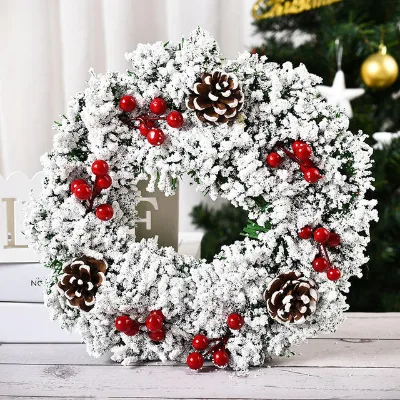



Elegant Unlit Christmas Wreaths for Holiday Home Decor Christmas Decoration
$10.00 - $15.00
MOQ: 50 Pieces





Comprehensive Sourcing Guide
Indoor Custom Christmas Wreath Sourcing Guide
Sourcing indoor custom Christmas wreaths requires a strategic balance between aesthetic customization and functional durability. These decorative items serve as focal points for residential and commercial interiors, often placed on doors, walls, or mantels. Buyers must navigate a market where materials range from traditional natural elements to modern synthetic alternatives, each offering distinct advantages in terms of cost, longevity, and visual impact. The decision to customize involves selecting specific shapes, colors, and materials that align with brand identity or seasonal themes, while ensuring that the final product meets safety and quality standards for indoor use.
The procurement process is influenced by several key variables, including material composition, production techniques, and order volume. Suppliers often offer OEM services, allowing for tailored designs, logos, and packaging solutions. However, customization introduces complexity in terms of lead times and minimum order quantities (MOQs). Buyers need to understand the trade-offs between standard inventory and bespoke production, particularly when dealing with intricate designs or specific material requirements. This guide provides a structured approach to evaluating suppliers, verifying specifications, and managing commercial terms for indoor custom Christmas wreaths.
Product Scope and Observed Listing Signals
The product landscape for indoor Christmas wreaths is diverse, encompassing various materials such as plastic, PE (polyethylene), fabric, metal, rattan, tinsel, and wood. Listings indicate that wreaths are typically round in shape, with specific models like C-0056 and TT-068 representing different design iterations. The color palette often includes green foliage with red accents, such as berries, to create a classic holiday aesthetic. Some products are described as eco-friendly or handmade, suggesting a focus on sustainable materials or artisanal production methods. Buyers should verify the specific material composition, as "plastic" can refer to various grades of durability and finish.
Observations from supplier listings reveal that many products are marketed for both indoor and outdoor use, but the focus here is on indoor applications. This distinction is crucial for material selection, as indoor wreaths may prioritize visual appeal over weather resistance. The presence of "customized" attributes indicates that suppliers are open to modifications in design, color, and packaging. However, buyers must be cautious of vague descriptions, such as "other" for feather material or light bulb color, which may require further clarification. The availability of sample support and OEM services suggests that many suppliers are equipped to handle custom orders, but the extent of customization should be confirmed through direct communication.
Technical Specifications to Verify
When evaluating technical specifications, buyers should focus on dimensions, weight, and packaging details. Listings mention sizes such as 70cm, which is a common diameter for door wreaths, but variations exist. The weight is often listed as "CUSTOM," indicating that it can be adjusted based on material density and design complexity. Packaging is typically described as individual polybag packing, but customized packing options are available for bulk orders or retail presentation. Buyers should request detailed specifications for each model, including exact dimensions, weight per unit, and packaging dimensions, to ensure compatibility with shipping and storage requirements.
Material specifications are another critical area for verification. While listings mention materials like PE, plastic, and fabric, the specific grade and quality can vary significantly between suppliers. For instance, PE wreaths may offer a more realistic look and feel compared to standard plastic, but they may also be more expensive. Buyers should inquire about the source of materials, particularly if eco-friendly claims are made. Additionally, the production technique, whether machine-made or handmade, can impact the consistency and finish of the product. Understanding these technical details helps in selecting the right product for the intended application and budget.
Compliance and Safety Documentation
Compliance and safety are paramount for indoor Christmas decorations, especially those intended for residential use. Buyers should ensure that suppliers provide relevant safety documentation, such as test reports for flammability, toxicity, and mechanical safety. While specific standards are not detailed in the listings, buyers should verify that products comply with local regulations, such as CPSIA in the US or EN71 in Europe. This is particularly important for wreaths that may contain small parts, such as berries or ornaments, which could pose a choking hazard.
In addition to safety standards, buyers should consider environmental compliance, especially if eco-friendly claims are made. This may involve verifying the use of non-toxic materials, recyclable packaging, or sustainable sourcing practices. Suppliers should be able to provide documentation supporting these claims, such as material safety data sheets (MSDS) or certifications from recognized environmental bodies. By prioritizing compliance and safety, buyers can mitigate risks associated with product liability and ensure that their products meet the expectations of end consumers.
Cost Drivers and Commercial Terms
Cost drivers for indoor custom Christmas wreaths include material costs, labor, and customization complexity. Materials such as PE and natural fibers like rattan or wood may be more expensive than standard plastic, but they offer higher perceived value. Labor costs are influenced by the production technique, with handmade items typically commanding a premium. Customization, including logo printing, color matching, and packaging design, adds to the overall cost but can enhance brand differentiation. Buyers should request detailed cost breakdowns to understand the impact of each variable on the final price.
Commercial terms, such as MOQ and lead times, are also significant factors. Listings indicate MOQs ranging from 50 pieces to 10,000 pieces, depending on the product and customization level. Higher MOQs may result in lower unit costs, but they also increase inventory risk. Lead times can vary based on the complexity of the order and the supplier's production capacity. Buyers should negotiate clear terms regarding payment, shipping, and returns, and ensure that these are documented in the contract. Understanding these commercial dynamics helps in planning budgets and managing supply chain risks.
Supplier Qualification and Quality Control
Supplier qualification is a critical step in the sourcing process. Buyers should assess suppliers based on their production capabilities, quality control systems, and past performance. This may involve requesting factory audits, product samples, and references from other clients. Suppliers with OEM experience and customized production capabilities are often better equipped to handle complex orders. Buyers should also verify the supplier's ability to meet compliance and safety requirements, as this is essential for market access.
Quality control measures should be established to ensure that products meet the specified standards. This may include pre-production samples, in-process inspections, and final random inspections. Buyers should define clear quality criteria, such as color accuracy, material integrity, and packaging quality, and communicate these to the supplier. Implementing a robust quality control process helps in minimizing defects and ensuring customer satisfaction. By investing in supplier qualification and quality control, buyers can build a reliable supply chain and maintain product consistency.
Long-Term Procurement Checks
Long-term procurement success depends on continuous monitoring and relationship management. Buyers should regularly review supplier performance, including delivery times, product quality, and responsiveness to issues. This may involve conducting periodic audits or requesting performance reports. Building a strong relationship with suppliers can lead to better pricing, priority production, and collaborative innovation. Buyers should also stay informed about market trends and technological advancements in Christmas decoration manufacturing, as this can inform future sourcing decisions.
Additionally, buyers should consider the sustainability and ethical aspects of their supply chain. This may involve evaluating suppliers' environmental practices, labor conditions, and community impact. By aligning procurement strategies with corporate social responsibility goals, buyers can enhance their brand reputation and meet the expectations of socially conscious consumers. Long-term procurement checks help in identifying opportunities for improvement and ensuring that the supply chain remains resilient and competitive in a dynamic market.
FAQs
What materials are used for indoor custom christmas wreaths?
These wreaths are primarily made from plastic, PE, fabric, metal, rattan, tinsel, or wood. The specific material depends on the selected model, such as the C-0056 or TT-068, which often feature eco-friendly and handmade attributes for home decoration.
Can I order small quantities of custom christmas wreaths?
Yes, small orders are accepted for many products, with some models requiring a minimum of 50 pieces. However, other specific items may have a higher minimum order quantity of 10,000 pieces, so buyers should verify the MOQ for their chosen design.
Which customization options are available for these wreaths?
Customization is available for logos, designs, colors, and packaging. Buyers can request specific sizes like 70cm and choose from various shapes including round or wreath styles, with OEM services welcomed for tailored production needs.
How are these indoor christmas wreaths packaged for shipping?
Products are typically packed individually in polybags, though customized packing options are also available. The single package size varies by model, and the weight is often customized to meet specific buyer requirements for efficient transport.
What is the origin of these custom christmas wreaths?
These items originate from Zhejiang, China, where manufacturers produce both indoor and outdoor decorations. The products are designed with modern styles and eco-friendly features, suitable for various Christmas decoration applications in homes.
Are samples available for indoor custom christmas wreaths?
Sample support is provided for buyers who wish to evaluate product quality before placing a bulk order. This allows clients to verify the material, color, and craftsmanship of items like the Red Berries Christmas Wreath before committing to larger quantities.